
Military Couples Counseling Norfolk VA
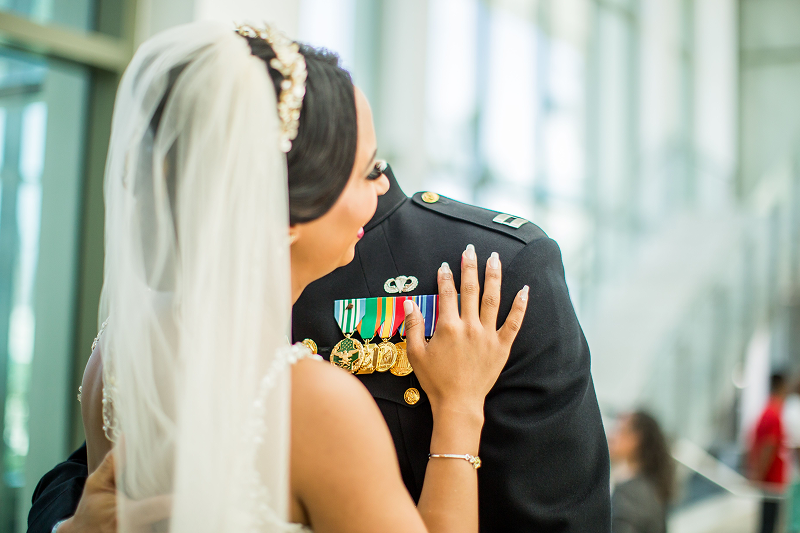
You made it through the months apart. You counted down the days, held things together, kept going. And now that you’re in the same room again, something is still wrong. The distance didn’t close the way you expected it to. That gap between you, whether one partner just came home or another deployment is already on the horizon, is what brings most military couples through our door.
Deep Connections Counseling provides military couples counseling in Norfolk, VA for active duty service members, veterans, and their partners who are struggling with the specific pressures of military life. We work with couples navigating deployment stress, reintegration conflict, emotional withdrawal, communication breakdown, and the strain that comes from years of interrupted life together. Joseph Ben Atanacio (available in VA online only) and Carol Wesley (sees individuals). The Norfolk in-office sessions are provided by interns supervised by Dr. Gudor, and sessions can be charged on a sliding scale, and online anywhere in Virginia. Tricare is accepted by both clinicians for individual sessions.
What Military Couples Are Actually Going Through
The partner who stayed home carried everything alone, and felt invisible doing it. The loneliness, the financial pressure, the solo parenting, the fear of the phone ringing. By the time their partner walked back through the door, resentment had started to settle in, quiet but real.
The partner returning home expected relief. Instead, they feel like a stranger in their own house. They can’t explain what they went through, and don’t always want to. They’re managing things nobody at home would understand, and struggling to shift back into a relationship that kept moving without them.
Both partners carry the weight of a deployment differently, and couples therapy for military families acknowledges those separate experiences rather than asking either person to minimize what they went through.
The Arguments That Start After the Return
The arguments that erupt in the weeks after a return are often more disorienting than the distance itself, and what happens when a partner comes home from deployment is one of the most common reasons couples in Norfolk seek support.
Small things become flash points. Who handles bedtime. Who makes decisions. Why the household runs differently now. These aren’t really about the dishes or the schedule. They’re about two people who built separate survival systems while apart, and haven’t yet figured out how to share space again.
The pressures that build during a deployment don’t disappear when orders change, and couples counseling for military families often addresses the stress that accumulated long before the reunion even happened.
What Sessions Look Like
The first session is an assessment. Your therapist listens to both of you, separately if needed, to understand what the relationship looked like before, what changed, and what each of you is carrying right now. There’s no requirement to agree on a version of events.
From there, sessions focus on slowing down the cycle that keeps pulling you into the same argument. Military couples often develop patterns under stress, one person pursues, the other pulls back, and neither feels heard. The goal is to interrupt that cycle and give each partner a language for what they’re actually feeling underneath the conflict.
Sessions are available in person at our Norfolk office or online, which matters for couples managing unpredictable schedules, virtual duty requirements, or a partner who’s still away.
Joseph Ben Atanacio sees couples and individuals, and Carol Wesley sees individuals, both part of the therapists in Virginia team, work specifically with military individuals and couples and carry training in Gottman and trauma-informed approaches.
What You Can Expect Over Time
Couples who stay with the process typically describe a few consistent shifts. The arguments become shorter. Each person gets better at saying what they mean without the conversation turning into an excavation of everything that happened over the last year. Some couples name a moment where they felt connected again and couldn’t quite explain how they got there.
These shifts aren’t guaranteed on a timeline. Some couples see real movement in six to eight sessions. Others need longer, especially when trust has been damaged or one partner is also managing symptoms of PTSD or depression. Progress gets tracked and the approach adjusts as you go.
Insurance and Scheduling in Norfolk
Tricare is accepted by several clinicians on the team, only for individual therapy, though Prime requires authorization from your PCM, and the full breakdown of coverage and private pay options is on the rates and insurance page.
For private pay, individual therapy with a licensed clinician starts at $150 for a 45-minute session. Couples therapy starts at $200. Sessions with pre-licensed therapists are available at lower rates.
What Military Couples Ask Before Starting
My partner just got back and we can’t stop fighting. Is that normal?
Yes. Conflict in the weeks after a return is one of the most common experiences military couples describe. Both partners are adjusting to a shared life they’ve been managing separately, and the friction usually has very little to do with love and a great deal to do with competing survival modes that haven’t been reset yet. Couples therapy helps you slow that cycle down before it does lasting damage.
What if my partner doesn’t want to come?
You can start without them. Individual relationship counseling gives you a space to process what you’re carrying, understand your own patterns, and figure out what you actually want. Some partners who initially decline do come in later, once they see the other person working on things. It doesn’t require both of you to begin.
Does insurance cover couples therapy?
Couples therapy is not covered by insurance at most practices, including ours. Individual therapy is covered by most plans, including Tricare. If the financial piece is a barrier, it’s worth asking about pre-licensed therapist rates, which are meaningfully lower than the licensed clinician rates.
A Place to Start
Most couples who reach out aren’t sure they’re ready. They’re not certain therapy will help, and they’re not certain the relationship can recover. That uncertainty doesn’t have to be resolved before you make a call.
If scheduling has been a barrier, because of unpredictable hours, virtual duty requirements, or a partner still on orders, you can reach out to get started and we’ll match you with someone whose availability fits your situation.