
Communication Problems in an Intercultural Relationship in Norfolk, VA
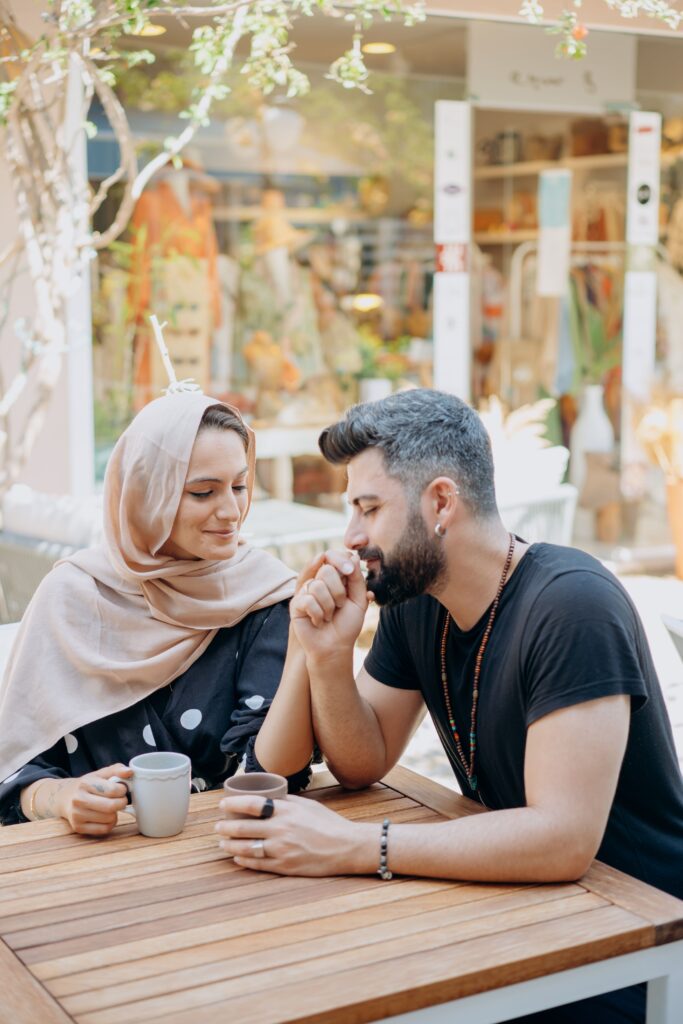
Communication problems in an intercultural relationship usually aren’t a language problem, and they usually aren’t a love problem either. They happen because each of you learned a different set of rules for how emotions get expressed, how conflict gets handled, and what silence means. Virtual couples therapy in Norfolk, VA works directly on that gap, so the argument stops being about who’s right and starts being about what each of you actually meant.
Why do we keep misunderstanding each other when we speak the same language?
You can share a household, a bank account, and a future and still be running two different operating systems for communication. One of you grew up where directness is respect. The other grew up where directness is rudeness and real messages travel through tone, timing, and what goes unsaid.
So one partner says exactly what they mean and waits for the same in return. The other hints, softens, and expects the hint to be caught. When it isn’t, it doesn’t register as a style difference. It registers as not caring.
That’s the mechanism behind most of these fights. The words land fine. The meaning doesn’t.
What this looks like on a Tuesday night, not in a textbook
If this sounds familiar, it probably shows up in small, repetitive ways. An argument about the dishes that somehow becomes an argument about your mother-in-law. A partner who goes quiet mid-conflict because in their family, walking away was de-escalation, while in yours it was abandonment.
Holidays are a common flashpoint. So is money, because cultures assign different meanings to spending, saving, and supporting extended family. So is the moment one of you says “we need to talk about this now” and the other hears an ambush.
The friction between you isn’t always about the relationship itself; sometimes one partner is also carrying culture shock, homesickness, or the quiet grief of leaving a familiar life behind, and multicultural counseling addresses that individual weight alongside the work you do as a couple.
How couples therapy untangles a cultural pattern from a personal one
The first thing that changes in therapy is usually not the arguing. It’s the interpretation. Once each partner can see that “he shuts down” is actually “he was taught that harmony means stepping back,” the same behavior stops reading as rejection.
From there, the work gets practical. You map how each of your families handled disagreement, affection, and decisions. You agree on a shared way to fight, one that borrows from both backgrounds instead of defaulting to whichever partner argues louder or longer. You practice saying the thing directly that used to travel by hint.
Communication patterns that formed in two different cultures rarely translate cleanly on their own, and multicultural couples therapy gives both of you a structured place to learn each other’s emotional language instead of guessing at it.
Sessions for intercultural couples are held virtually, which means you can attend together from home anywhere in Virginia, including Norfolk, without adding a commute to an already loaded week.
If English isn’t the language your feelings arrive in, that matters in couples work, and our Virginia therapists include clinicians who offer sessions in Hungarian, Romanian, Turkish, and Portuguese.
What it costs and what insurance actually covers
Couples therapy at this level of specialization is private pay. Insurance plans including Aetna, Cigna, Anthem, Medicaid, Medicare, Tricare, and United are accepted for individual therapy, which is relevant if one of you also wants individual support for immigration stress or adjustment.
Knowing the cost before you commit removes one more unknown from an already complicated decision, and current rates and insurance information spells out what couples sessions run and which plans cover individual therapy.
Questions couples in this situation actually ask
Can therapy help if my partner thinks the problem is just me?
Yes, and this is one of the most common starting points for intercultural couples. The work of a culturally informed therapist is partly translation: showing each partner that the other’s behavior follows a coherent logic learned long before the relationship existed. When the “difficult” partner sees their style named as a cultural pattern rather than a flaw, defensiveness usually drops, and the real conversation can start.
Is it normal to feel lonely in my own home even though we love each other?
Yes. Feeling isolated inside a loving intercultural relationship is one of the most reported experiences in this kind of work. It often means your emotional signals are getting sent but not received, especially if you rely on nonverbal cues your partner was never taught to read. That loneliness is a communication gap, and communication gaps are exactly what couples therapy is built to close.
Do we both need to be fluent in English for couples therapy to work?
No. Sessions are available with clinicians who speak Hungarian, Romanian, Turkish, and Portuguese, and therapy itself teaches you to communicate meaning, not just vocabulary. What matters is that both of you can express what’s true for you, in whatever language it arrives.
A first step that doesn’t require having it figured out
Reaching out is not a verdict on your relationship. It’s the first structured conversation in a long line of unstructured ones that haven’t worked. You don’t have to arrive with the problem perfectly defined; when you reach out, we match you with a therapist whose experience actually fits what’s happening between you.