
Feeling Alone While Your Spouse Is Deployed in Virginia
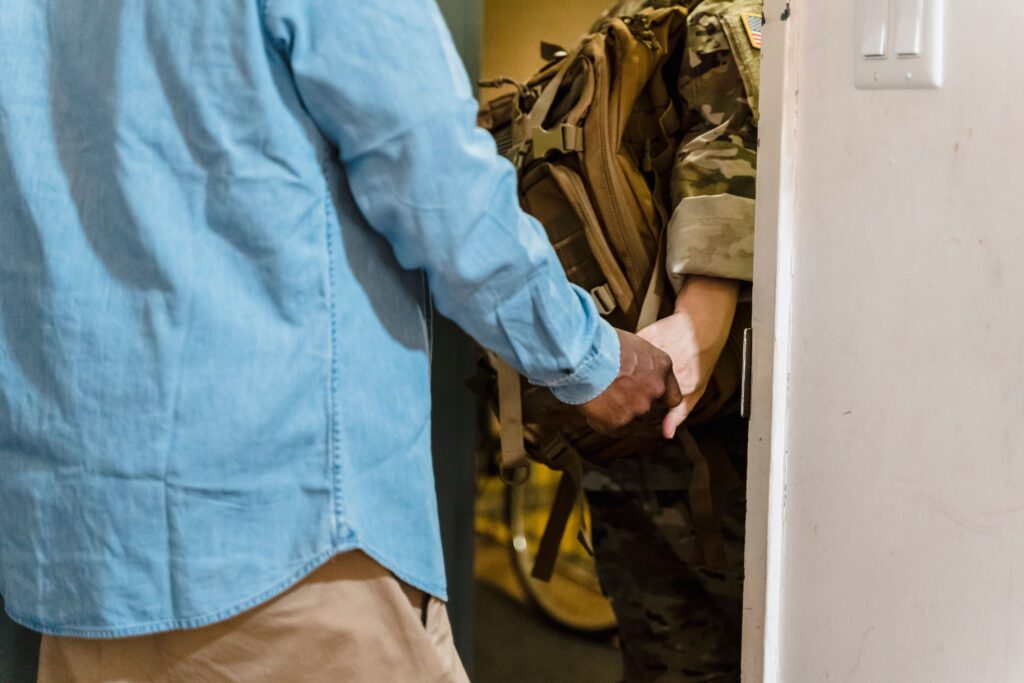
Deployment loneliness is real, it has a name in clinical work, and it responds to support. If you’ve been carrying this for weeks or months, the isolation you feel is a predictable response to a specific kind of separation, and counseling during deployment can steady you now and make the reunion easier later. You do not have to wait until your spouse is home to start.
Why deployment loneliness feels different from ordinary loneliness
Clinicians sometimes describe deployment separation as a form of ambiguous loss. Your spouse is absent from your daily life but still very much part of it, so your mind never fully settles into either “together” or “apart.” That in-between state is harder on the nervous system than a clean absence would be, which is why you can feel exhausted by loneliness even on days when nothing went wrong.
There is also the communication problem specific to deployment. Contact happens in narrow windows, often on someone else’s schedule, sometimes with an operational reason to say very little. So the calls become rehearsed. You say “I’m fine” because fifteen minutes is not enough time to say anything else, and then you hang up feeling further away than before the call.
What that loneliness looks like day to day
If this is where you are right now, some of it probably looks familiar. The house is quieter than it should be, and you have started leaving the TV on just for sound. You handle every bill, every school pickup, every broken appliance alone, and the competence itself becomes isolating because nobody sees the effort. Friends outside military life ask how you’re doing and you give the short answer, because the long one takes too much explaining.
Loneliness under this kind of load rarely stays quiet. It shows up as irritability toward your kids, resentment you feel guilty about, trouble sleeping, or a flatness that makes even good news land dull. None of that means you are handling deployment badly. It means the load is heavy.
What counseling does while your spouse is away
The first thing therapy addresses is usually the “I’m fine” pattern. A therapist gives you one place where the full answer is allowed, which takes pressure off every other conversation in your week. From there, the work is practical: sorting which stresses are deployment-specific and temporary, which ones were there before and will still be there at homecoming, and building a routine that holds you rather than one you merely survive.
The second piece is preparation. Loneliness during deployment rarely stays contained to the months your spouse is away, which is why military couples counseling often focuses as much on how you reconnect afterward as on how you cope right now. Couples who name the distance while it is happening tend to have an easier reintegration than couples who plan to “deal with it when they’re back,” because by then the distance has hardened into habit.
Deployment stress looks different in every marriage, and several of our Virginia therapists work specifically with military couples and bring training in Gottman and trauma-informed approaches. Sessions are available online anywhere in Virginia and in person at our Norfolk office, which matters when your schedule already belongs to everyone but you.
Is it normal to feel this lonely halfway through a deployment?
Yes. The middle stretch is often the hardest part, after the adrenaline of the goodbye has worn off and before the countdown to homecoming feels real. The partner remaining at home commonly carries loneliness alongside the stress of handling every responsibility alone, and both tend to peak in that middle window. Feeling it strongly says nothing about the strength of your marriage.
Can I start counseling by myself while my spouse is deployed?
Yes, and it is often the best entry point. Starting with individual therapy while your spouse is deployed is often the most practical option, since Tricare covers individual sessions with several of our clinicians, and Tricare Prime members need authorization from their PCM first. Individual work now can also lay the groundwork for couples sessions after homecoming, since couples therapy is private pay.
Will things go back to normal when they come home?
Not immediately, and expecting an instant return to normal is one of the most common sources of post-deployment conflict. Reintegration is its own adjustment, with its own timeline, for both of you. Working on the loneliness now, and having realistic expectations about homecoming, makes that adjustment smoother.
A next step you can take tonight
You have been strong for everyone else through this deployment, and that does not mean you have to do it without support. If you’ve been managing on your own for months, reaching out before you hit a breaking point can change how the rest of this deployment feels.