
Why Do I Feel Like a Stranger in My Own Home After Coming Back From Deployment?
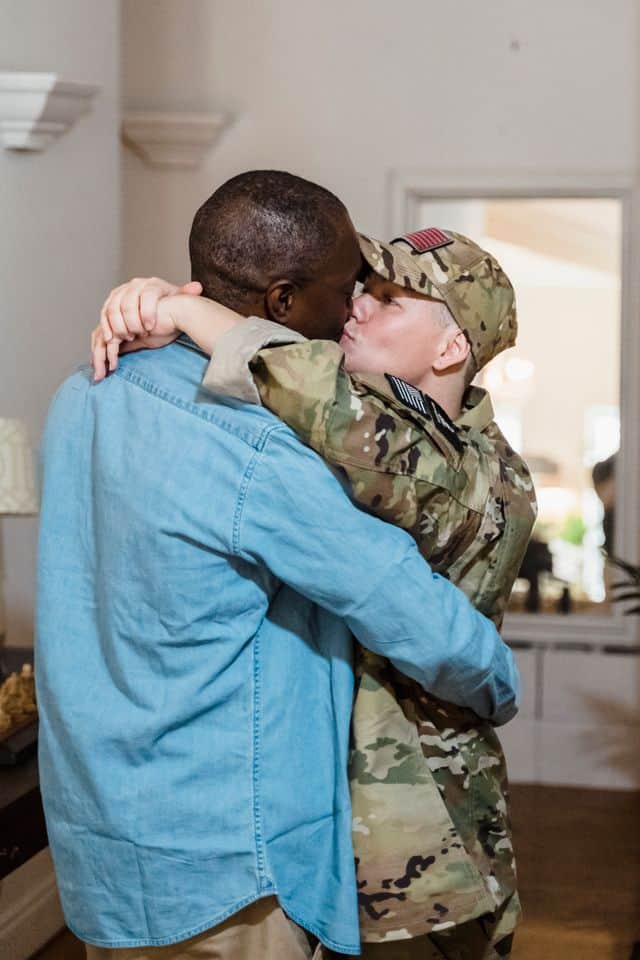
Feeling like a stranger at home after deployment can be a normal part of reintegration, especially when you and your family have spent months adapting to life apart. Home may look familiar, but routines, roles, expectations, and even the way you connect with your partner may have changed. That distance does not automatically mean your relationship is damaged beyond repair. It often means both of you are adjusting to being together again.
Why Home Can Feel Different After Deployment
During deployment, everyone develops ways to get through daily life. The partner at home may take over responsibilities, make decisions independently, and create routines that keep the household moving. The returning service member may also develop habits, expectations, and ways of coping that made sense while away.
Coming home brings those separate systems back together. Even when the reunion is something you both wanted, it can create friction. You may expect to slip back into your old place, only to realize that the household no longer works exactly as it did before you left.
Deep Connections Counseling offers military counseling for the stress, adjustment, relationship strain, and emotional disconnection that can come with military life.
What Reintegration Stress Can Look Like
Reintegration does not always look like one dramatic argument. It may show up in smaller moments that repeat until you both feel worn down.
You might notice:
- You feel out of place in routines that used to feel automatic.
- You are unsure when to step in or when your partner wants space.
- Small disagreements turn into larger fights because both of you feel misunderstood.
- You miss your partner but still find yourself withdrawing from them.
- You feel pressure to be grateful or happy to be home, even when the transition feels uncomfortable.
- Your partner seems different, or tells you that you seem different.
If the thought “my partner just got back from deployment and we can’t stop fighting” feels familiar, the conflict may be less about one specific disagreement and more about trying to rebuild a shared rhythm after living separate lives.
Why Your Partner May Be Struggling Too
Your partner may have imagined your return as the moment everything would finally feel easier. Instead, they may be adjusting to sharing responsibilities again, giving up some independence, or figuring out how to include you in routines they managed alone.
That does not make either person the problem. Reintegration can put two valid experiences next to each other. One person may be thinking, “I am finally home, why do I still feel disconnected?” while the other is thinking, “I waited for this, why does it still feel so hard?”
The same military relationship can also carry stress during separation. Feeling alone while your spouse is deployed can shape how a couple reconnects later, especially if loneliness, resentment, fear, or exhaustion never had much room to be discussed.
What Can Help You Feel Like Part of Home Again
Reconnection usually happens through small, repeated experiences rather than one perfect conversation. It can help to talk about what changed while you were apart, instead of assuming both of you should return to the same roles you had before deployment.
Useful conversations may include:
- Which routines are working well now?
- Which responsibilities need to be renegotiated?
- What kind of support does each person need during the adjustment?
- What does closeness look like right now, rather than before deployment?
- Which topics tend to turn into arguments, and what happens just before the conflict escalates?
You do not have to solve every issue at once. The goal is to understand what each of you adapted to while apart and decide together what your new shared routine should look like.
When Military Couples Counseling Can Help
If conversations keep turning into defensiveness, shutdown, criticism, or the same unresolved fight, couples counseling can give you a structured place to slow the pattern down. Military couples counseling in Norfolk can help partners talk about deployment stress, reintegration conflict, emotional withdrawal, communication problems, and the strain of interrupted life together.
Deep Connections Counseling works with active duty service members, veterans, and their partners. The practice offers virtual care in Virginia, with in-person options in Norfolk depending on the clinician and service.
You do not need to wait until the relationship is in crisis to ask for support. If coming home has left you feeling disconnected from your partner, your family, or even your own sense of place, contact Deep Connections Counseling to be matched with a therapist who fits your needs.
Frequently Asked Questions
How long does reintegration after deployment take?
There is no single timeline. Some couples settle into a new rhythm fairly quickly, while others need more time to renegotiate roles, rebuild emotional closeness, and process what changed during the separation.
Does feeling disconnected mean I no longer love my partner?
No. Feeling disconnected after deployment can reflect stress, adjustment, changed routines, or difficulty shifting from deployment mode back into family life. The feeling is important to pay attention to, but it does not by itself define the future of the relationship.
Can therapy help if only one of us is struggling with the transition?
Yes. Individual therapy can help you make sense of your own reactions and communicate more clearly, while couples therapy can help both partners work on the relationship together when both are willing to participate.